
Quick Take
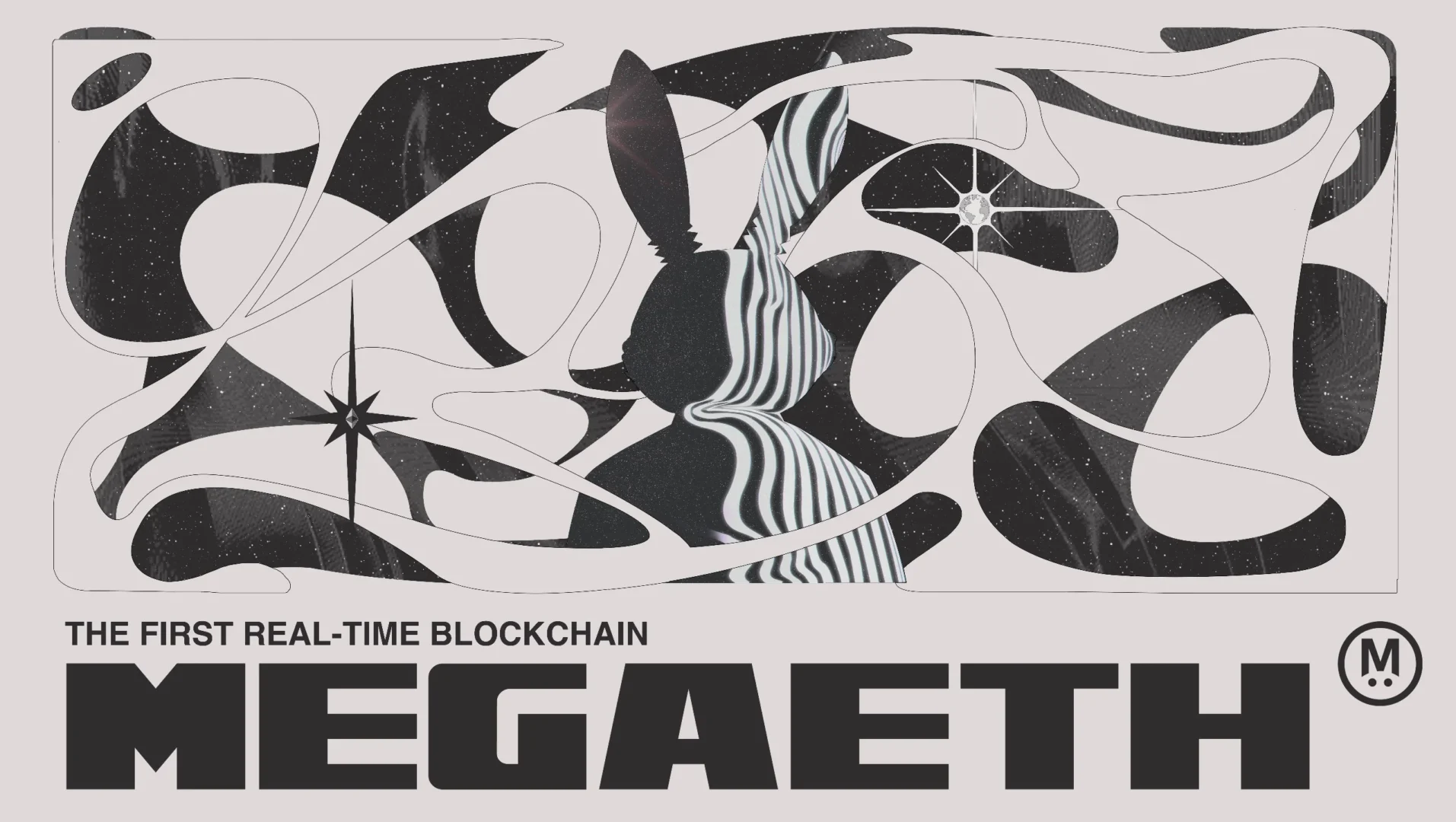
- MegaETH positions itself as the first real-time blockchain, targeting sub-millisecond latency and over 100,000 transactions per second.
- Built as an Ethereum Layer-2, it keeps full compatibility while pushing performance to rival traditional web services.
- Community excitement grows around its potential for gaming, DeFi, and high-speed apps as mainnet developments unfold.
MegaETH has been generating steady conversation across crypto circles as one of the more ambitious Ethereum scaling projects out there. At its core, it sets out to solve a familiar pain point: blockchains have historically felt sluggish compared to everyday internet experiences, with delays in transaction confirmations and limits on how much activity the network can handle at once. Discussions from users highlight how this creates friction for anything needing quick responses, from trading to interactive games.
The project describes itself straightforwardly as real-time Ethereum. Transactions stream through with extremely low latency, often cited in the range of milliseconds or even sub-millisecond in goals, and throughput that could hit over 100,000 per second under optimized conditions. This comes from building on Ethereum as a Layer-2, meaning it settles back to the main Ethereum network for security while handling the heavy lifting itself. Developers get to work with the same tools they’re used to since it stays compatible with the Ethereum Virtual Machine, allowing existing apps to migrate or new ones to launch without major rewrites.


What draws attention is the focus on making blockchain feel more like centralized services in terms of responsiveness. Online threads point out how current chains often process in batches every few seconds, which works for many uses but falls short when instant feedback matters. MegaETH approaches this by optimizing execution in ways that reduce bottlenecks, such as handling state in memory for faster access and enabling parallel processing where possible. The result aims to open doors for applications that were previously tough or impossible onchain due to speed constraints.
Community reactions reflect a mix of optimism and watchful interest. Posts frequently mention the backing from figures like Vitalik Buterin and firms such as Dragonfly Capital, which adds credibility in conversations. Fundraising has drawn notice too, with rounds pulling in tens of millions and public participation through mechanisms like NFT sales or platforms, fueling talk about community alignment and avoiding some common pitfalls in other launches. As testnets and beta phases have rolled out, users have shared experiences testing swaps, deployments, and early dApps, noting the noticeable difference in feel compared to other Layer-2s.
The ecosystem side adds to the momentum. A program supporting builders emphasizes original, high-quality projects rather than copies, leading to a growing list of dApps in areas like DeFi protocols, trading platforms, onchain games, and even AI-integrated experiences. Threads often highlight specific names building toward fully onchain worlds or real-time mechanics, with speculation that the speed could enable smoother multiplayer interactions or high-frequency strategies without the usual compromises.
Of course, as with any emerging network, questions linger about how things will play out at full scale. Achieving those headline numbers consistently, especially under real-world load, remains a key discussion point. Some online chatter touches on trade-offs in architecture, like specialized node roles that prioritize performance while leaning on Ethereum for core security. Yet the overall narrative stays positive, with many viewing it as a step toward making decentralized apps more practical for broader adoption.
Looking forward, the project continues to build toward wider availability, with ongoing developments and community involvement shaping what comes next. Whether it fully delivers on the real-time promise or sparks new ideas in scaling, MegaETH stands out as a project worth following for anyone tracking Ethereum’s evolution and the push for faster, more capable chains.