
Quick Take
- Vibecoins fund vibe-coded products, covering costs like servers and marketing to boost crypto startups.
- IdeaRalph acts as a central hub, turning ideas into viable tokens with airdrops for equal access.
- Community members can participate by sharing wallets, with multipliers for spreading the concept.
Levent Cem Aydan, known in crypto circles as Meta Alchemist, has long been a force in Web3 development. As the founder and CEO of Seedify, a prominent incubator for blockchain projects, Aydan brings years of experience from building platforms that support emerging ideas. Seedify focuses on nurturing crypto initiatives, providing funding and tools to help them scale without traditional barriers. Now, Aydan is turning heads with his latest concept: vibecoins, which he positions as a game-changer for how products get funded and launched in the crypto ecosystem.
“This would accelerate innovation, spawn more vibe coders, let great vibepreneurs access funding to build more, and make Web3 the true home of all startups and innovation,” Aydan shared in his initial proposal.


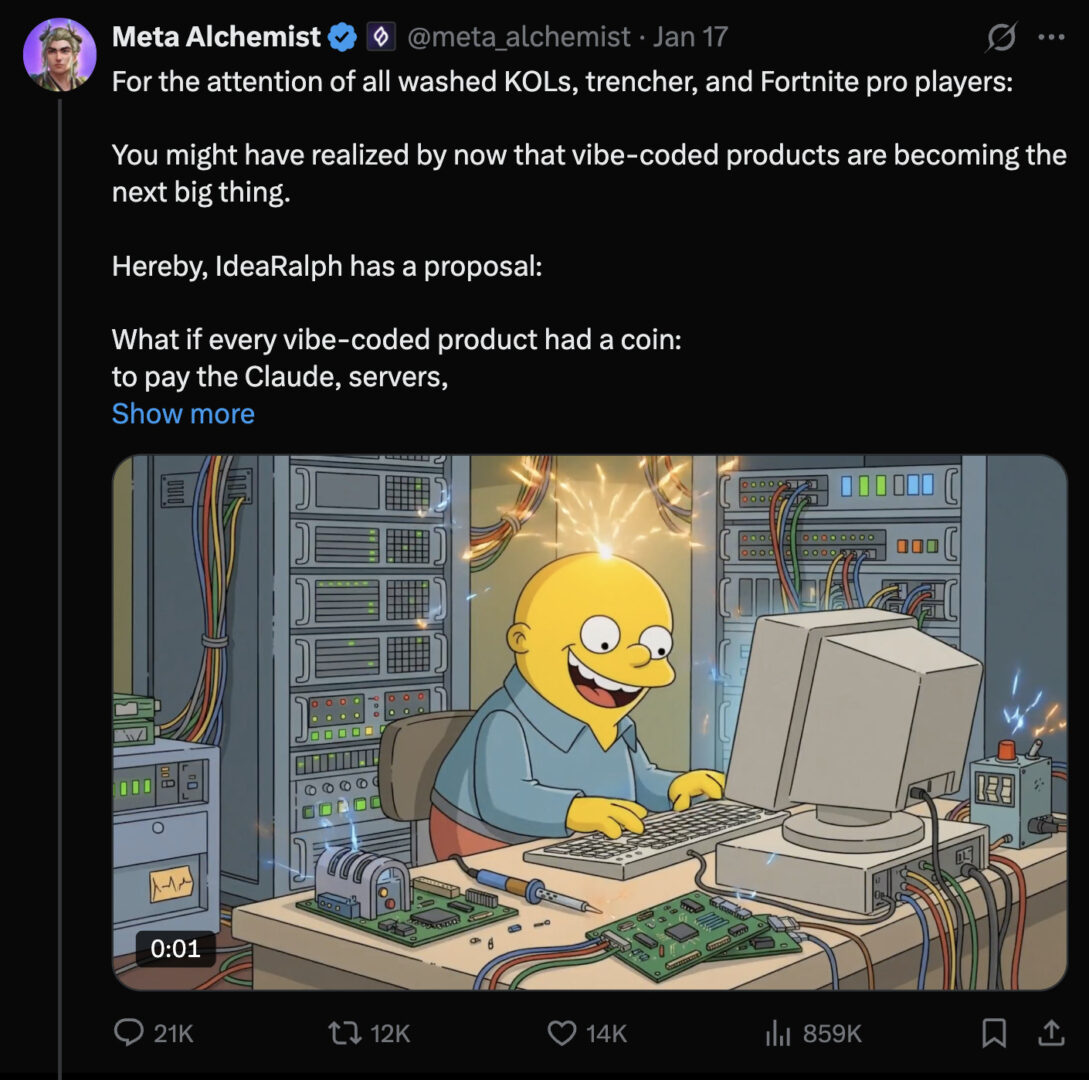
At its core, the idea revolves around vibe coding, a method where AI-assisted tools help creators build practical products quickly. Vibecoins take this further by assigning a utility crypto token to each product, directly tied to its operations. These tokens cover essentials like AI model usage, server maintenance, and outreach efforts, creating a self-sustaining loop that draws from crypto’s decentralized ethos.
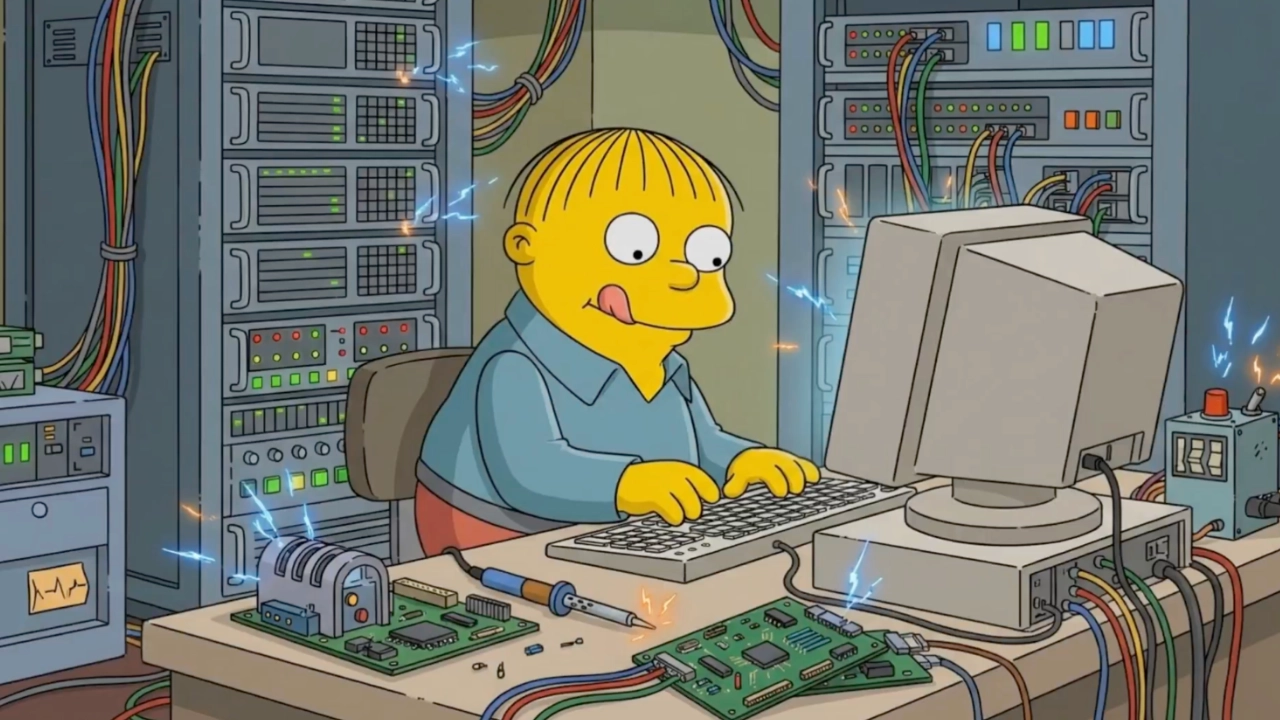
IdeaRalph stands out as the flagship tool in this vision. Drawing from a whimsical model that refines even basic concepts into polished plans, it functions as a master generator for vibecoins. Users input ideas, and IdeaRalph iterates until it produces a solid product roadmap, complete with token mechanics. “You give it the dumbest idea = and it can even turn that into genius. That’s the Ralph Wiggum loop,” Aydan explained. The token itself launches on the Base network through a vibe/vibe system, emphasizing fair distribution. No initial raises here; it’s all about airdrops to holders, with a mechanism where portions of new vibecoins feed back to IdeaRalph holders based on their stakes. This could potentially create an interconnected web, where success in one project ripples to others.
Conversations around this approach highlight a potential shift from speculative assets toward tokens grounded in utility. Supporters see it as a way to channel community energy into productive outcomes, drawing parallels to earlier crypto movements that rewarded participation but evolved with execution challenges. Skeptics raise points about volatility, dilution risks, and the importance of delivering on promised utility to sustain momentum over time.
How to Get Vibecoin Airdrops
For those interested, getting involved is as simple as submitting wallet addresses for potential airdrops in Aydan’s post. Multipliers come into play for contributions that amplify the reach through reposts.
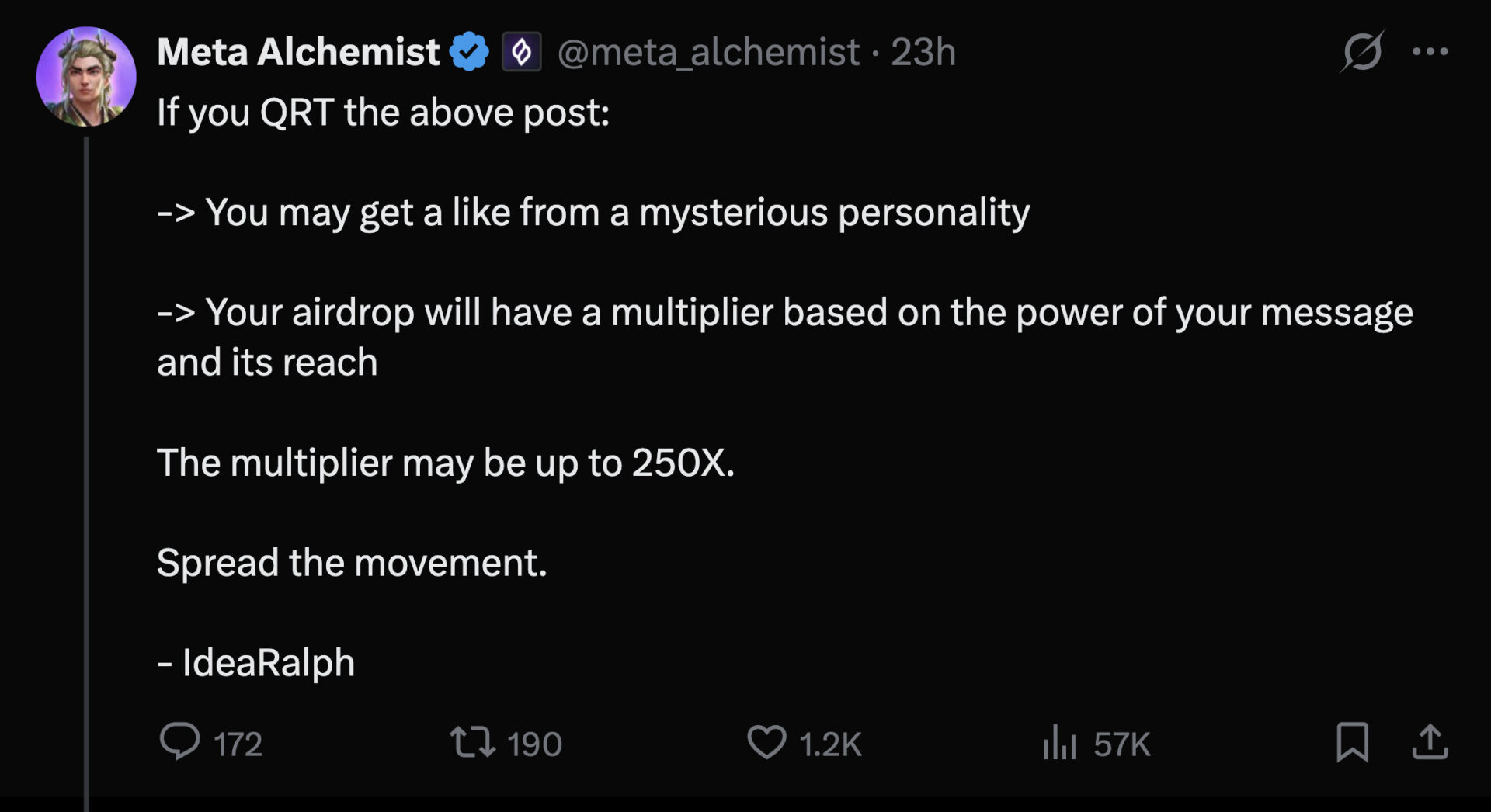
The emphasis remains on usefulness, encouraging creators to focus on solving real problems rather than hype. As Aydan notes, this could spawn thousands of vibecoins, each powering a vibe-coded product and fostering a broader movement: “For transforming the degens spirit to machines of production.”
Looking Ahead
Vibecoins might evolve into a staple for crypto funding, echoing earlier shifts like DeFi’s rise and AI tokens but with a product-first twist. While outcomes remain uncertain, the model highlights a path toward more equitable innovation, where anyone with an idea can tap into Web3 resources. Time will reveal if this sparks the next big wave, but for now, it invites creators to experiment and adapt.