
Quick Take
- Platform draws 1.2 million players across 6.7 million matches in Web2 and Web3 games.
- Total prizes reach $207 million, all funded directly by competing gamers.
- Integrations span Polygon, TON, and Immutable for seamless crypto entries.
In the summer of 2023, a group of developers quietly rolled out Miomi Game as a no-frills spot for gamers to wager on their skills in familiar titles like FIFA and Call of Duty. Players set up private duels or jumped into open challenges, with stakes held in escrow until the dust settled and winners cashed out. What started as a niche escape from the grind of free-to-play modes caught fire among competitive types, pulling in over 100,000 users who racked up hundreds of thousands in fees within the first few months.
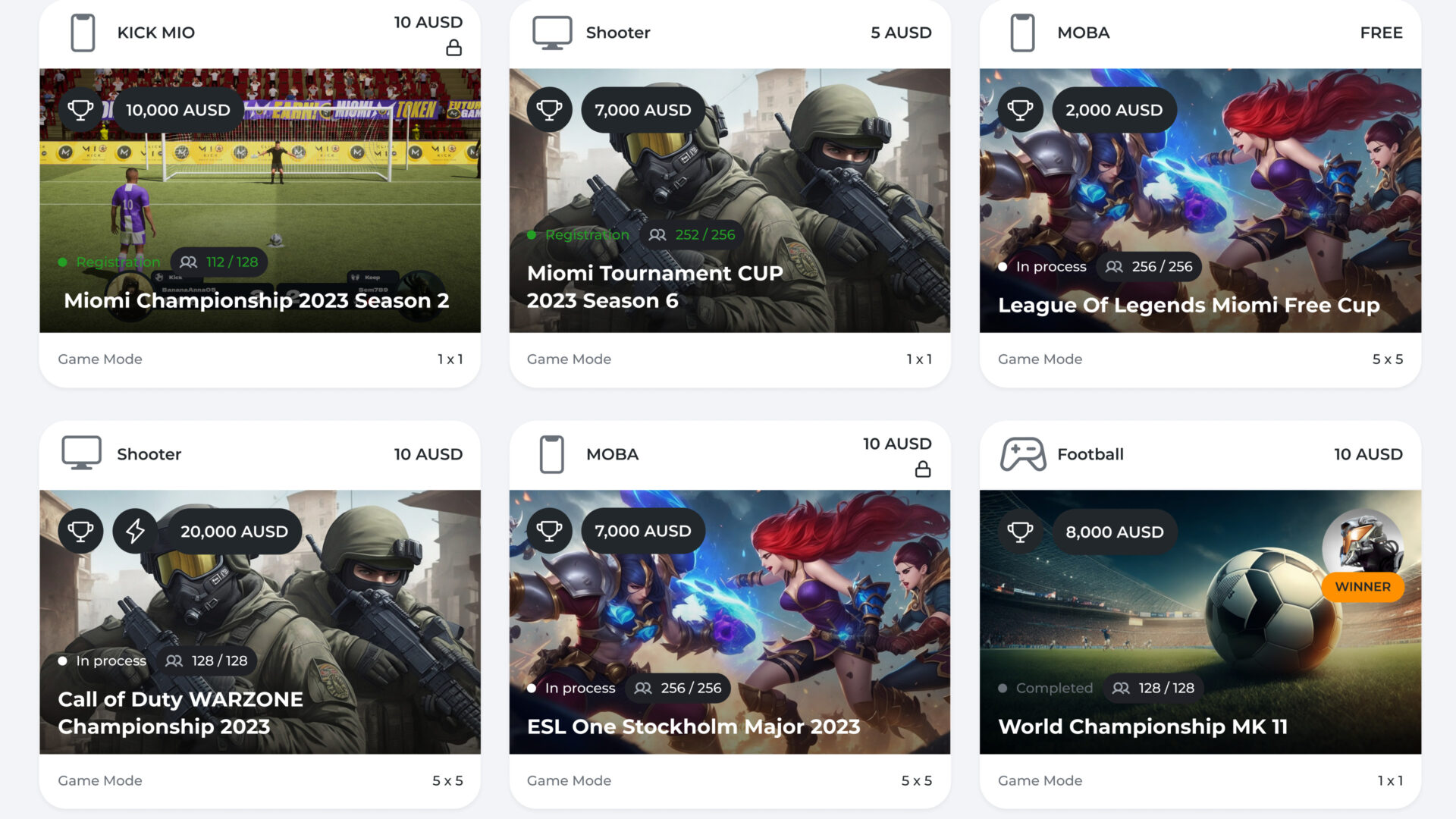
The platform’s early users built habits around quick matches in games like Counter-Strike 2, where a single duel could turn a small bet into real earnings. As word spread, Miomi’s team spotted an opportunity to layer in blockchain for cheaper transactions and clearer payout rules. A grant from the TON Foundation cracked open Telegram’s huge user base, letting players dive in without leaving their chats. Soon after, connections to Skale, Polygon, and Manta drew in crypto-savvy gamers who value Web3 games.


By mid-2025, the arena had evolved into a bustling hub where 950,000 players traded blows in 4.8 million contests, pushing prize pools past $143 million sourced from entry fees without outside funding. Call of Duty Warzone dominated the leaderboard with over a million rounds, while eFootball and Dota 2 kept squads coming back for team-based thrills. Shifting into multi-chain support smoothed out the rough edges, allowing deposits in stablecoins like AUSD on Polygon or USDT on Manta, with smart contracts handling the rest.
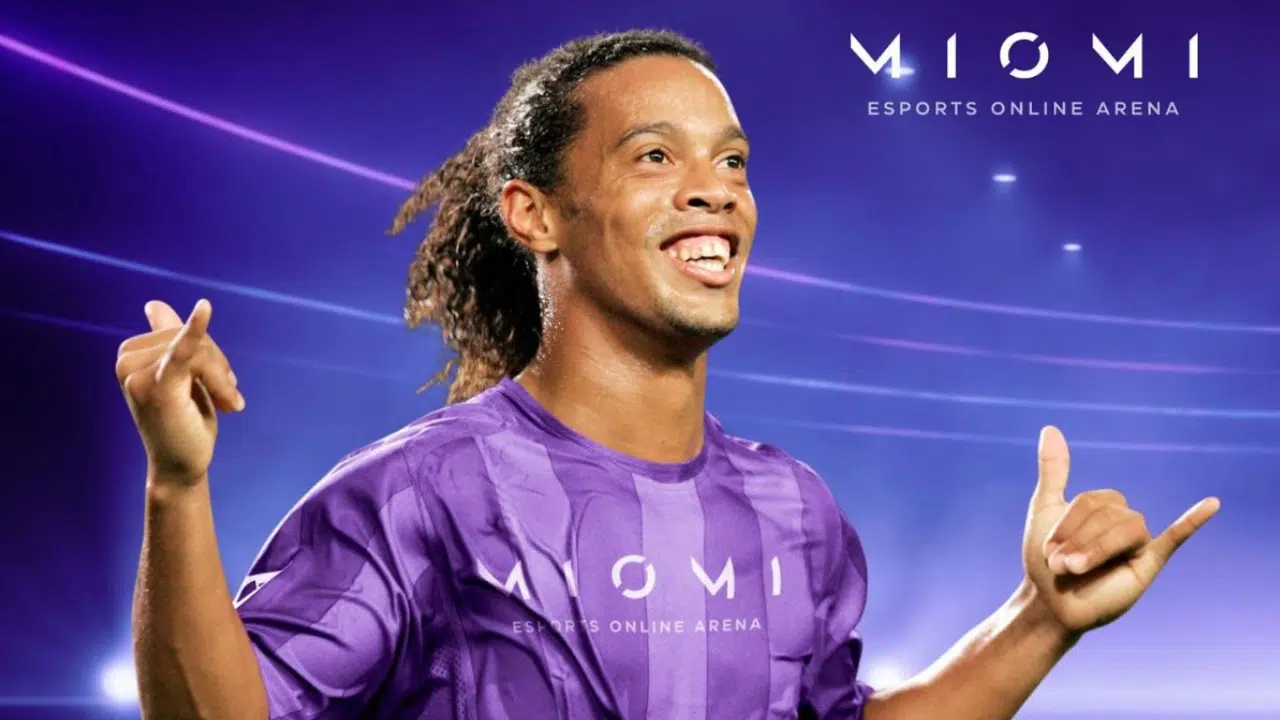
A year prior, Football icon Ronaldinho stepped in with his R10 esports squad, turning heads and adding star power to the mix. He championed global tournaments that mixed soccer flair with digital battles, pulling traditional sports fans into the fold. Profiles on the site tracked streaks and payouts, while chats and invites sparked rivalries that spilled into Warcraft III 5v5s.
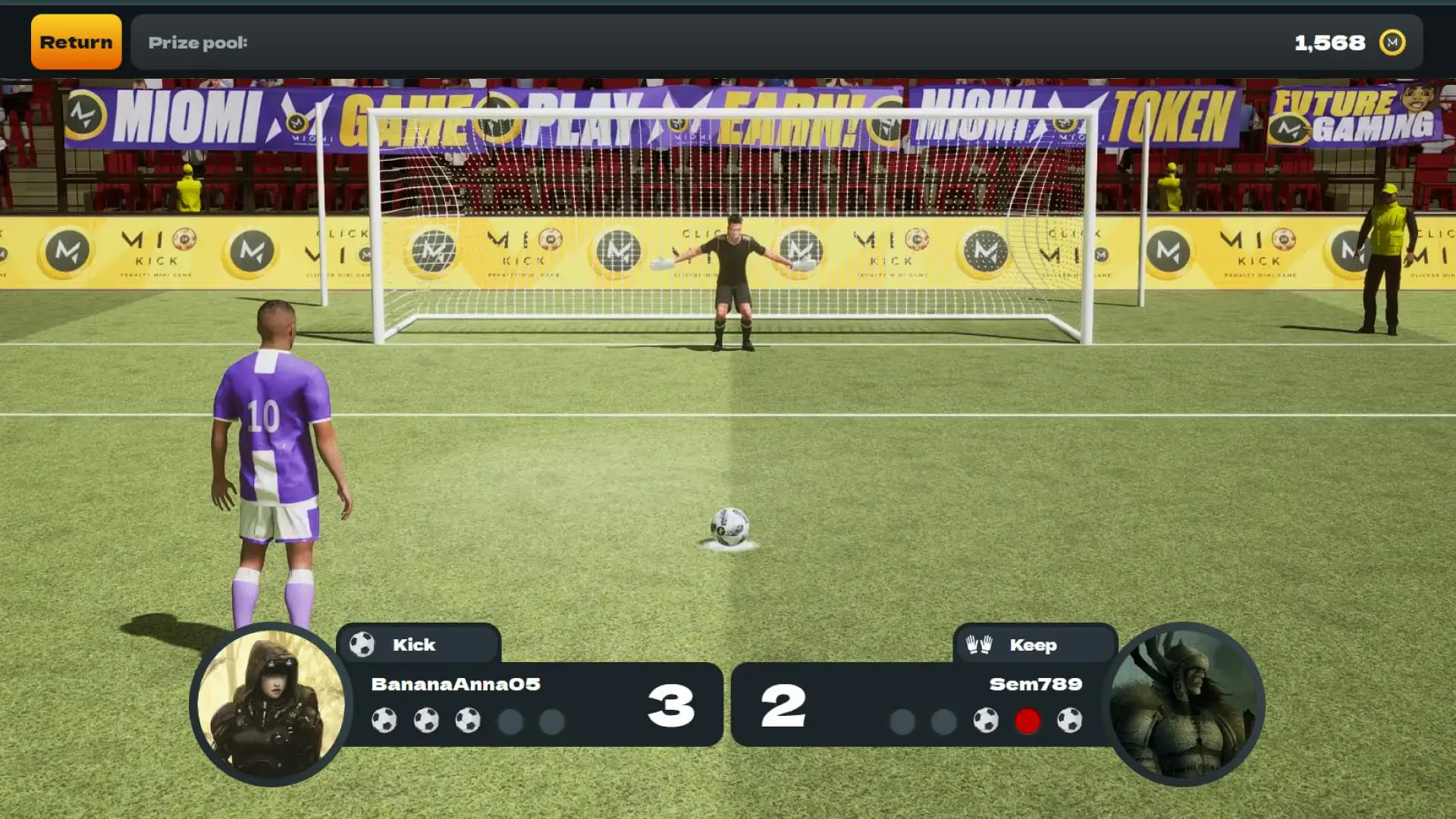
Miomi didn’t stop at borrowing games; they crafted their own to lure in casuals. Kick Mio emerged as a browser-based penalty kicker, logging nearly 500,000 sessions where accuracy earned points toward token drops. Its Telegram cousin, Click Mio, let players tap for rewards, feeding into airdrops and bridging the gap to full tournaments.
As 2026 dawned, Miomi’s numbers swelled to 1.2 million users and 6.7 million matches, with prizes climbing to $207 million.
Most recently a launch on Immutable Play opened quests for gems, rewarding dives into 13 titles across Web2 and Web3. Partnerships with Somnia and others hinted at even faster multiplayer worlds ahead, where sub-second speeds could redefine real-time competition.
In a landscape crowded with hype, Miomi is standing out by letting the games and the wins do the talking.