

Quick Take
- Venture firms plan selective deals focused on revenue models in 2026.
- Crypto investments reached $25 billion in 2025, up from prior years.
- MicroStrategy’s $116 million Bitcoin purchase lifts overall market mood.
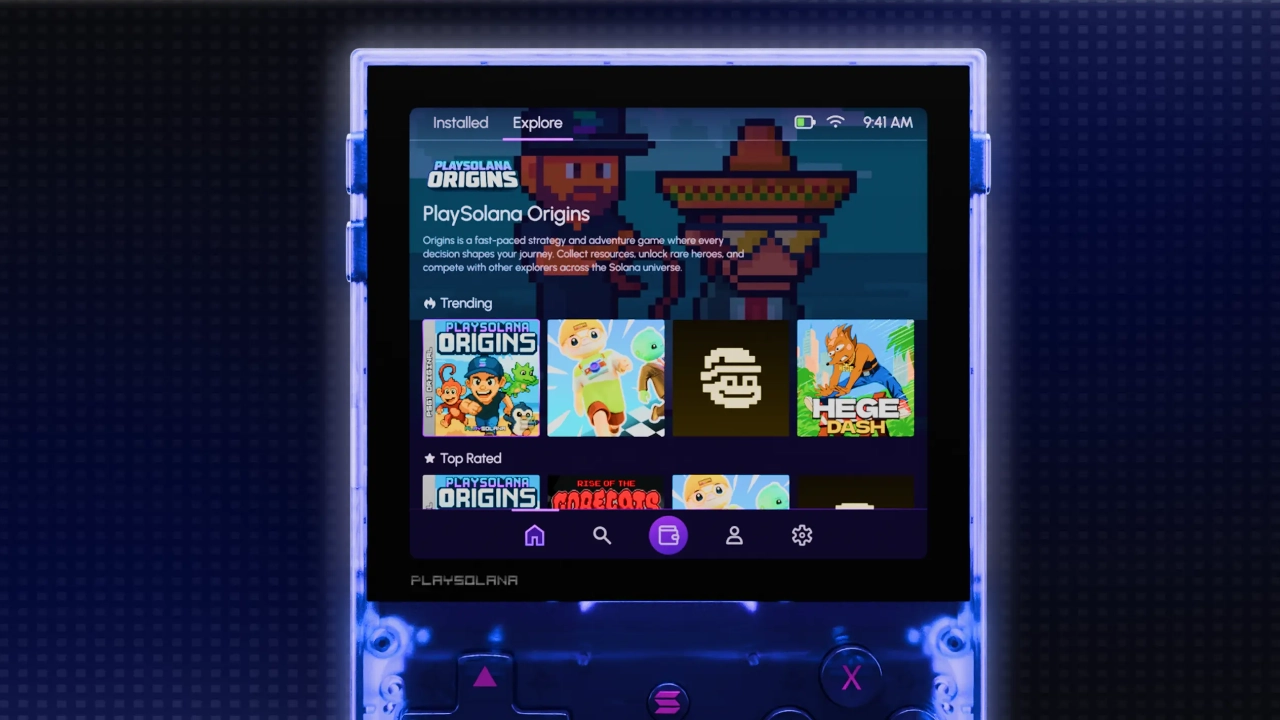
Venture capitalists set sights on 2026 with a focus on projects that generate real income, moving away from token-centric models. This strategy aligns with recent industry insights, where funding constraints hit Web3 gaming hard. The Blockchain Game Alliance’s 2025 report noted 32.6 percent of studios facing cash shortages as their top issue, with investments dropping to $293 million for the year. Overall crypto funding climbed to $25 billion, yet gaming saw limited gains amid a selective deal environment.
In Web3 gaming, developers now prioritize proven user engagement and earnings to secure backing. The report highlighted a shift to operational discipline, with stablecoins aiding microtransactions and revenue stability. Investors echo this by favoring ventures with long-term potential, such as real-world assets and AI tools, over quick launches.


Institutional Moves Shape Sentiment
MicroStrategy started the year with a $116 million Bitcoin acquisition, adding 1,286 coins between December 29 and January 4. The firm now holds 673,783 Bitcoin, valued around $62 billion at current prices. This step echoes past patterns where the company uses debt and equity to build its stack, often pushing Bitcoin values higher.
The buy injects optimism into the broader crypto space, including gaming tokens. As Bitcoin climbs, it tends to pull related assets along, aiding Web3 games tied to blockchain economies. Projects in play-to-earn setups could see renewed interest if market confidence holds.
Broader Trends in Funding
Predictions for 2026 highlight areas like real-world assets and AI integrations as hot spots. Venture activity may center on long-term visions, with funds eyeing five to ten-year horizons. For gaming, this means developers must highlight revenue streams, such as in-game purchases or partnerships, to attract backing.
The outlook points to more mergers and institutional entries, expanding access through products like exchange-traded funds. Stablecoins and tokenized assets gain traction for their steady value, supporting cross-border plays in global games.
As the year unfolds, these dynamics could reshape Web3 gaming, rewarding teams that deliver tangible results over speculative promises.