


Quick Take
- Electric Coin Company’s full development team quit on January 7 over board conflicts.
- Former staffers aim to launch a new outfit focused on Zcash’s privacy mission.
- The ZEC token fell around 20 percent in the wake of the announcement.
Zcash has always stood out in the cryptocurrency world for its emphasis on shielding transactions from prying eyes. Launched back in 2016, the coin uses advanced zero-knowledge proofs called zk-SNARKs to let users send value without revealing sender, receiver, or amount details. their tech drew in privacy advocates and even caught the eye of institutions looking for secure ways to handle digital assets. But on January 7, 2026, the project’s stability took a hit when the entire development team at Electric Coin Company, or ECC, announced their resignation.
The walkout stemmed from deep-seated tensions with Bootstrap, the nonprofit that oversees ECC. Josh Swihart, who had served as ECC’s CEO, described the situation as a form of constructive discharge. He pointed to sudden changes in governance that altered employment conditions and made it tough for the team to keep pushing forward. According to Swihart it all centered on who gets to steer the project’s direction and handle its resources. Bootstrap, on the other hand, framed the matter as a necessary step to meet legal and fiduciary duties, though details remained sparse in public statements.


The news rippled through the crypto community, sparking debates about how decentralized projects handle power struggles. Zcash isn’t like Bitcoin, where the core protocol feels mostly set in stone. Its ongoing upgrades, like the Sapling and Orchard improvements, rely on active cryptographic work to stay ahead in privacy tech. Without the ECC crew, who had been the main drivers of these advancements, the roadmap suddenly looked foggy.
Still, the developers didn’t vanish into thin air. Hours after the resignation, they unveiled plans for a new entity called cashZ. The fresh setup promised to pick up right where ECC left off, building tools for unstoppable private money on the Zcash chain. They even rolled out a new wallet to underscore their commitment. The Zcash protocol itself kept chugging along, thanks to its open-source nature and contributions from other groups like the Zcash Foundation and Shielded Labs.
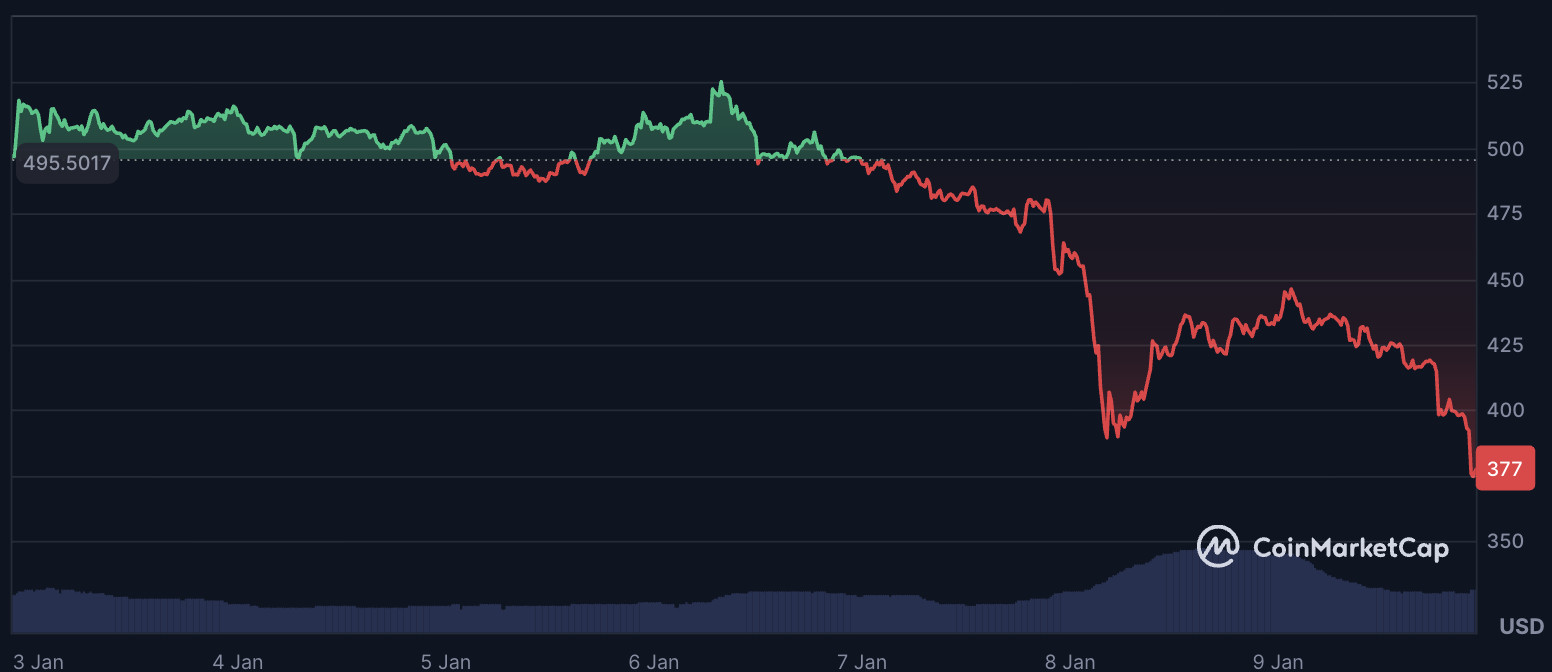
Market reaction came swift and sharp. ZEC, trading around $480 before the dustup, plunged to about $392 within a day. That drop wiped out millions in market value, reflecting trader worries over leadership voids and potential delays in future features. Privacy coins have faced headwinds lately, with regulatory scrutiny intensifying worldwide, and this episode only amplified those concerns.
Bitcoin proponent Samson Mow slammed the mass exit as a sign of weakness in non-Bitcoin projects, arguing it underscored the need for truly decentralized setups without corporate strings. On the flip side, tech investor Balaji Srinivasan threw his support behind the departing team, praising their resolve to keep innovating despite the fallout.